


UNIPA News | London
The European Union has suspended visa-free travel for Georgian holders of diplomatic, service and official passports, citing concerns over democratic backsliding and a crackdown on protesters, journalists and opposition figures.
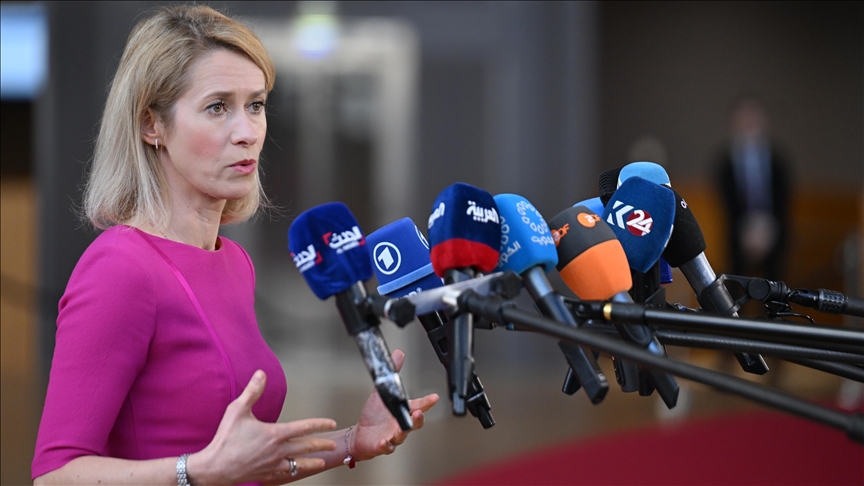
EU foreign policy chief Kaja Kallas said the move reflects growing concerns in Brussels about the Georgian government’s actions in recent months.
Writing on the social media platform X, Kallas said governments that suppress freedoms must face consequences.
“If a government attacks its own people, silences journalists, and curtails freedom, there are consequences,” she wrote.
The EU said the decision follows a series of measures by Georgian authorities that it believes undermine democratic standards and the rule of law.
Earlier this month, the Georgian parliament adopted a legislative package regulating foreign funding and political activity. According to the EU, the new laws introduce a broad system of state control over political activities and could impose criminal liability on individuals or organisations receiving foreign support.
Brussels also warned that some provisions of the legislation are vague and could create legal uncertainty, potentially allowing for arbitrary enforcement.
European officials criticised the measures as incompatible with international human rights obligations and commitments made under the EU-Georgia Association Agreement. The bloc warned that the developments could move Georgia further away from its ambitions to join the EU.
The EU also expressed concern over what it described as the unjust detention of politicians, journalists and civil society activists, calling for their immediate release.
Despite the latest restrictions, the EU confirmed that ordinary citizens of Georgia will continue to enjoy visa-free travel within the bloc.
Brussels reiterated its continued support for Georgia, highlighting ongoing assistance programmes that include economic aid, expanded trade opportunities, scholarships for students and security cooperation.
However, EU officials said the recent developments place Georgia’s partnership with the bloc at serious risk, noting that the country currently holds the status of an EU candidate largely in name only.