
ISLAMABAD/JERUSALEM (UNIPA News): Shortly after midnight on Sunday, Israeli Defence Minister Israel Katz signed a military order that significantly altered the media landscape in occupied East Jerusalem.
Under the directive, five Palestinian digital media platforms — Al-Asima, Mi’raj, Al-Quds Al-Bawsala, Quds Plus, and Al-Midan — were formally designated as prohibited organisations. Israeli authorities accused the outlets of maintaining links to Hamas and engaging in “incitement,” though no public evidence was presented alongside the announcement.
Observers say the move carries implications that extend well beyond press freedom concerns. At a time when developments in Jerusalem are unfolding rapidly, the decision is widely viewed as part of a broader effort to consolidate control over the flow of information in the city.
Why the Platforms Played a Critical Role
For Palestinians, access to Jerusalem remains highly restricted. The occupied West Bank is divided by checkpoints, roadblocks, and permit systems that frequently prevent entry into occupied East Jerusalem. International journalists have also reported increasing operational limitations.
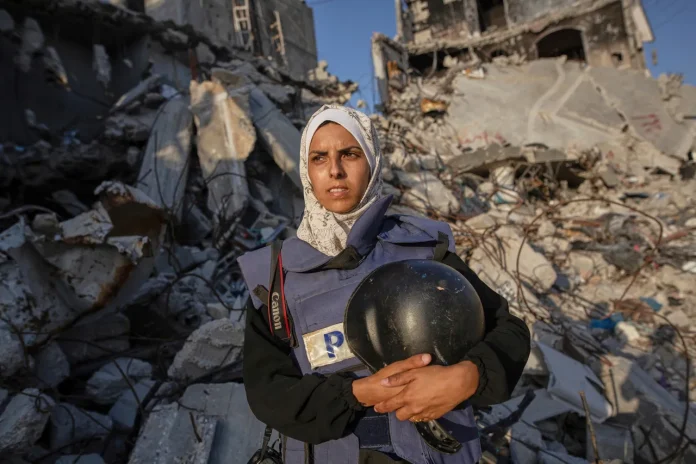
Within this environment, Jerusalem-based digital outlets became key sources of real-time reporting. They provided continuous coverage from the Old City, Palestinian neighbourhoods, and the Al-Aqsa Mosque compound — particularly during sensitive periods such as Ramadan, Israeli security raids, and settler incursions.
Beyond conventional reporting, these platforms served as documentation channels, offering visual and written records of events as they unfolded on the ground.
Allegations and Reactions
Israeli officials maintain that the banned platforms were used to incite unrest. Palestinian journalists and media advocates, however, argue that the decision follows a recurring pattern in which broad security allegations are issued without transparent disclosure of evidence and disproportionately applied to Palestinian media organisations.
Over the years, similar accusations have led to arrests, office closures, detentions, and, in some cases, fatalities among journalists. Critics contend that the immediate operational impact of such measures often precedes any legal resolution.
Broader Media Restrictions
The latest ban does not stand alone. It follows renewed Israeli restrictions on Al Jazeera, whose operations have been barred inside Israel — a move that drew criticism from international press freedom organisations.
Media analysts suggest that these actions collectively represent a tightening framework governing who can report from Israel and the Palestinian territories, particularly in Jerusalem.
Journalists working in the field describe an increasingly cautious atmosphere, with some editors reportedly engaging in self-censorship and reporters weighing personal risk before pursuing sensitive stories.
As tensions remain high, the evolving restrictions on media activity are likely to continue drawing international scrutiny.