


UNIPA News(WASHINGTON)
The United States and Venezuela have agreed to re-establish diplomatic and consular relations, marking a significant step toward restoring formal ties between Washington and Caracas.
In a statement, the US State Department said the renewed engagement would help both sides promote stability, support economic recovery and advance political reconciliation in Venezuela. The move follows months of improving relations after the US military captured Venezuelan President Nicolás Maduro in January during a surprise operation.
The announcement represents a symbolic breakthrough after years of strained relations between the two countries. Diplomatic ties had been severed since 2019, when the United States withdrew its embassy from Caracas amid escalating political tensions.
According to US officials, President Donald Trump ordered the operation that resulted in the capture of Maduro and his wife, who were taken to New York to face charges related to weapons and drug-trafficking offences. Both have denied the allegations.
Since the operation, Washington has begun restoring its diplomatic presence in Venezuela. The US embassy in Caracas has already reopened, and a new American diplomat has been appointed to the country.
In a statement released on Thursday, the Venezuelan government said it was ready to move forward with a “new stage of constructive dialogue based on mutual respect.” It added that renewed cooperation should contribute to the social and economic wellbeing of the Venezuelan people.
However, the Venezuelan statement made no reference to political transition or future elections — a point highlighted in the US State Department’s announcement. Washington said its engagement aims to create the conditions for a peaceful transition toward a democratically elected government.
Maduro, who is scheduled to stand trial in the United States later this month, has been accused by US authorities of leading a criminal network involved in activities such as illegal mining and drug trafficking.
Diplomatic sources indicated that additional US staff from the embassy in Bogotá, Colombia, could soon be transferred to Caracas, enabling closer diplomatic coordination and improved consular services.
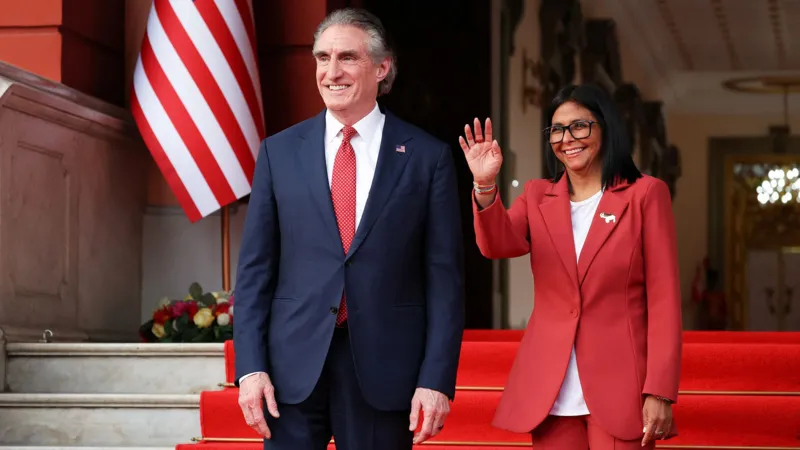
During a visit to Caracas, US Interior Secretary Doug Burgum described the intervention in Venezuela as a “brilliant strategic move,” saying it would help secure energy resources for the United States.
Following the operation, Washington has reached new energy agreements with Venezuela. The US has allowed the country to export previously sanctioned oil under American oversight, while Caracas has amended its laws to permit greater foreign investment in the oil sector.
Venezuela’s interim President Delcy Rodríguez and Burgum also agreed to cooperate in developing the country’s mining sector. Along with holding the world’s largest proven oil reserves, Venezuela possesses vast deposits of gold, diamonds and critical minerals, including rare earth elements used in modern technologies such as mobile phones.