Here is an editorial written in English, tailored for Unipa News, focusing on the escalating tensions in Iran and the legal/political pressures surrounding the Trump administration.
Editorial: Middle East on the Edge—Iran’s Air Defenses and the Trump Administration’s Legal Quagmire
The skies over the Middle East are once again thick with the scent of gunpowder. The recent activation of Iran’s sophisticated air defense systems, coupled with the mounting legal and international pressures on the Donald Trump administration, has created a volatile cocktail of geopolitical uncertainty. Unipa News views this escalation not merely as a regional skirmish, but as a direct threat to global stability that demands immediate diplomatic intervention.
The Trigger-Happy Skies of Iran
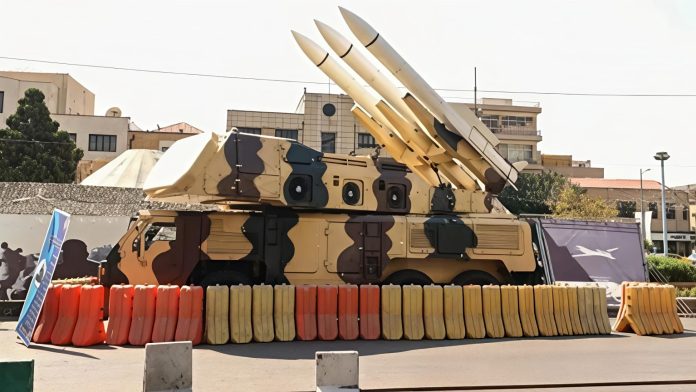
The reports of Iranian air defenses springing into action against unidentified aerial threats signal that the long-standing “shadow war” between Iran and its adversaries—primarily Israel—is teetering on the edge of an all-out conventional conflict. Iran’s heightened state of alert reflects a regime that feels cornered yet remains defiant. Every drone sighting or radar blip now carries the risk of a miscalculation that could ignite a regional conflagration, dragging global superpowers into a war that no one can afford.
The Trump Doctrine Under Siege
Simultaneously, the return of the Trump administration’s “Maximum Pressure” philosophy is meeting unprecedented resistance. Unlike his first term, Trump now faces a complex web of legal challenges and international judicial scrutiny regarding past foreign policy decisions. The legal pressure on his administration’s key figures suggests that the era of unilateral, unchecked executive action in foreign policy is being challenged by global legal norms.
Critics argue that while the Trump administration seeks to project strength through sanctions and military posturing, it is simultaneously bogged down by domestic legal battles that may hamper its ability to navigate a delicate diplomatic crisis.
The Human and Economic Toll
The world cannot ignore the collateral damage of this brinkmanship. The global energy market remains hypersensitive to any friction in the Strait of Hormuz. For the ordinary citizens of Iran and the wider region, this tension translates to hyperinflation, scarcity of essential goods, and the constant psychological trauma of impending war.
Our Stance: Diplomacy Over Destruction
Unipa News maintains that military posturing is a failing strategy. To prevent a catastrophe, we propose the following:
- De-escalation of Rhetoric: Both Washington and Tehran must move away from inflammatory language that leaves no room for back-channel diplomacy.
- Legal Accountability: The Trump administration must balance its national security objectives with international law to maintain global legitimacy.
- A New Multilateral Framework: The world has changed since the original nuclear deal. A new, inclusive dialogue involving regional stakeholders is the only way to ensure lasting peace.
Conclusion
The activation of air defenses should be a wake-up call, not a countdown to war. As the Trump administration navigates its own legal and political storms, it must not use foreign aggression as a diversion or a tool for domestic leverage. The Middle East deserves a future defined by trade and cooperation, not by missiles and sanctions. It is time for the international community to step in before the “point of no return” is crossed.


