


UNIPA News (London) May 31- Smart home technologies and connected devices are creating extensive digital records that can reveal personal activities, including evidence of secret relationships, according to technology experts.
Kim Komando, a technology commentator, says traditional signs of infidelity such as receipts, handwritten notes or physical evidence have increasingly been replaced by data generated through smart devices, many of which continuously record user activity in the background.
Experts say devices including smart speakers, security cameras, smart locks, connected vehicles and wearable technology can store information about movements, locations, interactions and household activity, often without users fully understanding the extent of the data being collected.
Voice assistants such as Amazon Alexa, Google Home and Apple HomePod maintain records of voice commands, reminders, music requests and device interactions. While these systems are designed to activate after hearing specific wake words, accidental recordings can occur when ordinary conversations are mistaken for activation commands.
Technology analysts note that users may attempt to delete voice histories or activity logs, but cloud-based records and account-linked data can sometimes preserve evidence of previous interactions.
Security cameras and smart monitoring systems can also provide detailed records through motion alerts, livestream histories and stored footage. Investigators and users reviewing these systems may identify unexplained outages, disabled notifications or recurring gaps in recordings that coincide with particular periods of activity.
Similarly, smart-home automation platforms can generate logs showing when lights, thermostats, cameras and other connected devices were remotely activated. According to experts, efforts to manipulate “home” and “away” settings to create misleading impressions may themselves leave detectable digital footprints.
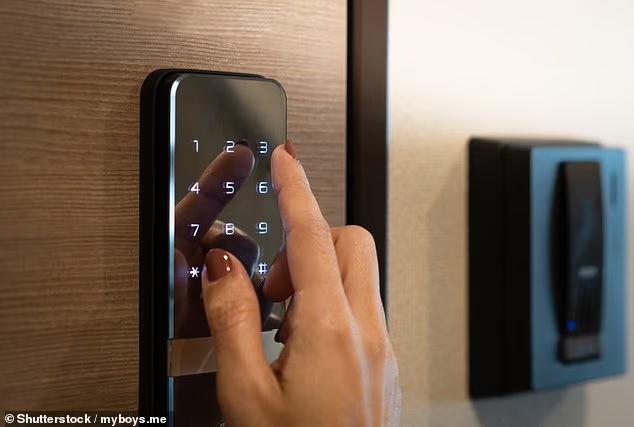
Connected smart locks represent another source of information. These systems often maintain detailed records of door activity, including timestamps, user profiles and temporary access codes. Such logs can reveal patterns of entry and exit even when data has been removed from individual devices.
Automotive technology also stores substantial amounts of information. Modern vehicles frequently record Bluetooth pairings, navigation history and connected-device data. Unfamiliar devices, recurring destinations and unexplained travel records can remain accessible through vehicle infotainment systems or companion mobile applications.
Experts further note that Wi-Fi networks and Bluetooth systems can reveal the presence of previously connected devices, including smartphones, smartwatches, earbuds and tablets. Router logs may identify electronics operating within a property, including devices located in less frequently used rooms.
In some cases, individuals seeking greater privacy have reportedly used secondary phones, password-protected tablets, separate laptops or hidden electronic devices. However, technology specialists say these measures may still leave traces through network connections, account activity or cloud-based services.
Even devices not commonly associated with communication, including smart televisions and connected weighing scales, can generate data that reveals unusual patterns of use. Smart TVs often store viewing histories, account activity and paired-device records, while some connected health devices transmit notifications when measurements are recorded.
Privacy advocates have repeatedly highlighted that the growing adoption of connected technologies has expanded the amount of personal information collected within homes. Experts say users should be aware that many smart devices maintain long-term records of activity and that cloud-based storage can preserve information even after local data has been deleted.
As smart-home adoption continues to grow, technology analysts warn that convenience and connectivity increasingly come with extensive digital documentation of everyday life, creating both privacy concerns and new opportunities for uncovering previously hidden behavior.


