
UNIPA News 09 July(Moscow)-Kazakhstan has introduced new restrictions limiting the entry of passenger and cargo vehicles from neighboring countries to once per day as authorities seek to curb illegal fuel exports amid growing demand from Russian motorists facing domestic fuel shortages.
Deputy Energy Minister Kayirkhan Tutkyshbayev said gasoline consumption has risen sharply in Kazakhstan’s border regions, including West Kazakhstan, Aktobe, and Pavlodar, where long queues have formed at filling stations. Authorities have launched joint operations involving the Ministry of Internal Affairs, the Financial Monitoring Agency, the Border Service, and customs officials to identify vehicles equipped with additional fuel tanks allegedly used for unauthorized fuel exports.
The tightening measures come as significant price differences between the two countries have encouraged cross-border fuel purchases. Russian drivers from several neighboring regions have reportedly been traveling into Kazakhstan to buy lower-priced gasoline. According to Kazakh media, AI-95 gasoline in Uralsk costs substantially less than in Russia, with similar price gaps reported for AI-92 gasoline and diesel fuel.
Kazakh authorities also reported intercepting dozens of attempts to transport fuel across the border using extra canisters and modified fuel tanks within a two-day period, seizing more than three tons of fuel intended for illegal export.
The increased demand from Russian consumers coincides with a worsening fuel supply situation inside Russia. The Russian government has imposed a temporary ban on diesel exports through July 31 in an effort to stabilize domestic supplies. Officials stated that the restriction is intended to maintain balance in the domestic fuel market, while exports conducted under international intergovernmental agreements remain exempt.
Fuel shortages and rationing have been reported across much of Russia since June. In several regions, fuel stations have introduced sales limits, while prices at some locations have risen significantly. Russian authorities have acknowledged supply challenges but maintain that the situation remains under control.
Russian President Vladimir Putin has instructed government officials to address fuel shortages, particularly in Russian-controlled Crimea, where supply disruptions have been reported. He also rejected claims that recent attacks on Russia’s energy infrastructure could fundamentally undermine the country’s energy sector, describing Russia’s energy system as resilient.
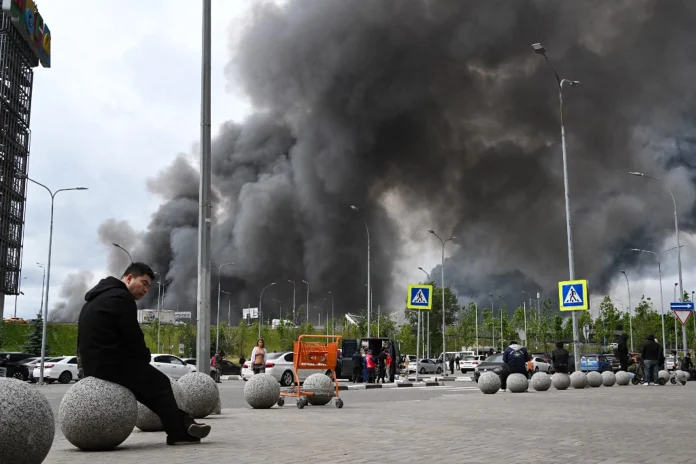
The supply pressures have intensified as Ukraine continues its campaign targeting Russian oil refineries, storage facilities, and energy infrastructure. Ukrainian officials say the strikes are intended to reduce Russia’s refining capacity and weaken its ability to sustain military operations. Recent attacks have targeted major refinery facilities, including the Omsk refinery operated by Gazprom Neft, as well as refinery complexes in Tatarstan.
The developments highlight how disruptions to Russia’s fuel production and distribution network are increasingly affecting neighboring countries, prompting Kazakhstan to strengthen border controls to protect its domestic fuel market from growing cross-border demand.