

UNIPA News Desk
North Korea has launched the Ninth Congress of its ruling party, marking one of the country’s most significant political events in five years and setting the stage for major policy messaging on economic development, military strategy, and leadership structure. The multi-day gathering brings together thousands of party delegates and senior officials to review past performance and outline future priorities.
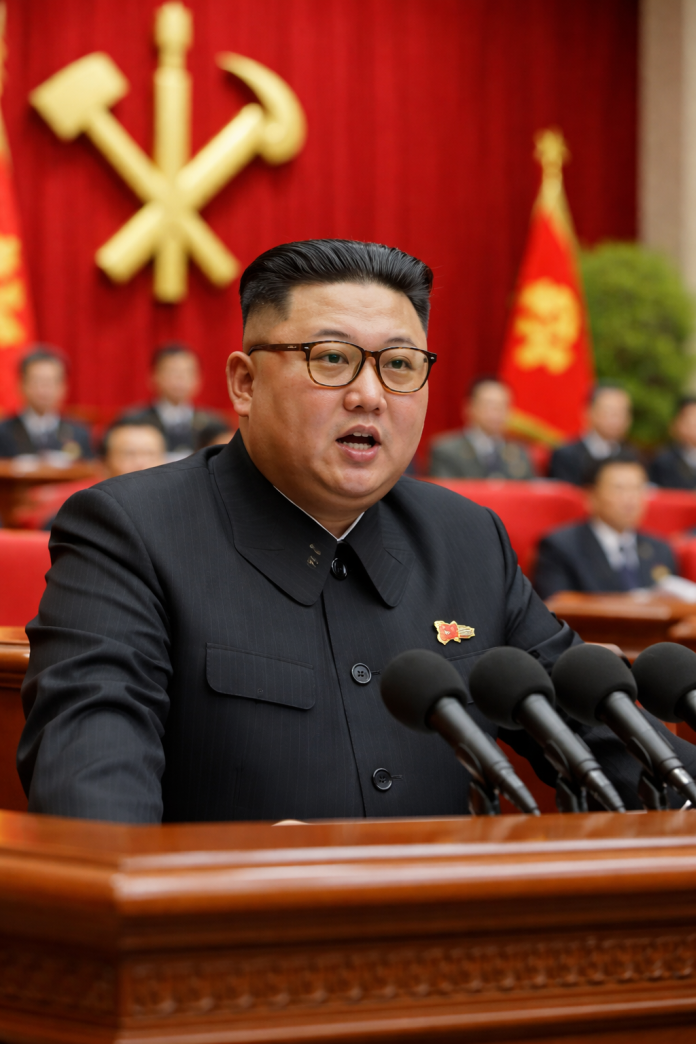
In the opening session, the country’s top leader highlighted what he described as comprehensive achievements made despite prolonged sanctions and economic pressure. The speech emphasized industrial modernization, infrastructure upgrades, and state-led housing expansion projects. Officials claimed that several outdated sectors have been restructured and repositioned for growth, presenting the period since the last congress as one of systemic adjustment rather than stagnation.
A central theme of the address was domestic development. Leadership pointed to large-scale housing construction and regional industry programs as evidence of improved living standards. Observers note that such messaging is aimed at reinforcing internal legitimacy and projecting stability to the domestic audience.
The congress is also expected to approve organizational and rule changes within the ruling party and to elect or confirm members of key leadership bodies. These structural decisions may offer clues about internal power balance and succession planning. Particular attention is focused on whether emerging next-generation figures will receive formal recognition or expanded roles.
Foreign policy and defense strategy are expected to feature prominently in the congress outcomes. Officials have indicated that the next phase of nuclear and strategic weapons development will be clarified, reinforcing a deterrence-first posture. At the same time, leadership statements suggest conditional openness to future diplomacy, while firmly rejecting any negotiations centered on unilateral disarmament.
Strengthening external partnerships — especially with friendly states — has been described as creating more favorable geopolitical conditions. Analysts interpret this as an effort to offset sanctions pressure through selective international cooperation in security and economic areas.
Regional watchers will also look for signals regarding future engagement with neighboring countries and the broader international community. With inter-Korean relations frozen and dialogue channels with Washington limited, any shift in tone or framework could carry diplomatic significance.
The congress is expected to continue for several days, with policy resolutions and leadership announcements likely to shape North Korea’s political and strategic direction for the coming years.


