
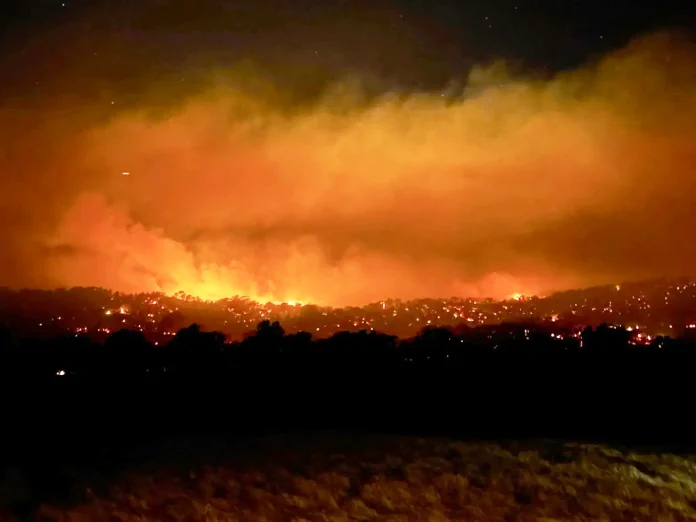

UNIPA News(London) 21 February,2026: Australia’s south-east endured one of the most severe heatwaves since the 2019–20 “Black Summer” during the first week of January. Temperatures soared to 41 °C in Melbourne and 43 °C in Adelaide, with other regions surpassing 45 °C, creating prime conditions for devastating wildfir
On 9 January, in “catastrophic” conditions, firefighting crews responded to nearly 200 fires in Victoria, with volunteers in towns like Longwood and Harcourt battling flames that ultimately consumed their own homes. Some blazes persisted for over a month before being controlled.
By late January, climate scientists confirmed that this extreme heatwave was five times more likely due to greenhouse gas-driven warming. Yet just as the report was released, another record-breaking heatwave struck: Andamooka in South Australia reached 50 °C, one of only eight such readings ever recorded in the country. Victoria also shattered all-time heat records in two locations, reaching 48.9 °C, while Melbourne hit 45 °C. Residents described stepping outside on 27 January as apocalyptic, with the air feeling smothering and searing under direct sunlight.
Australia’s extreme heat has profound human and ecological consequences. It is the leading cause of weather-related hospitalisations and claims more lives than all other natural hazards combined. Despite the oppressive temperatures, major events such as the Australian Open proceeded under strict heat protocols, raising questions about the feasibility of future summer events amid increasingly frequent extremes.
The human and economic toll is already staggering: 435,000 hectares burned, over 900 structures destroyed, and insured losses from fires, floods, heatwaves, and storms total approximately $1.6 billion. Wildlife has suffered heavily, with flying foxes dying by the thousands, plant species threatened with extinction, and koalas relying on humans for water.
While La Niña conditions have tempered the heat somewhat, Australians are likely to face progressively punishing summers. Positively, the electricity grid handled soaring demand thanks to solar power, which contributed 30 % of total electricity during the second heatwave and exceeded 50 % of generation in late 2025.
Yet political decisions continue to complicate the country’s climate future. The Labor government has approved 33 coal and gas projects since 2022, including a coalmine expansion estimated to emit 236 million tonnes of CO₂—nearly half of Australia’s annual emissions. Conservationists decried these approvals as “burning our future,” underscoring the tension between economic interests and urgent climate action.
As global temperatures rise and heat extremes intensify, the world watches Australia’s summers as a harbinger of what is to come, testing both human resilience and political will.


