
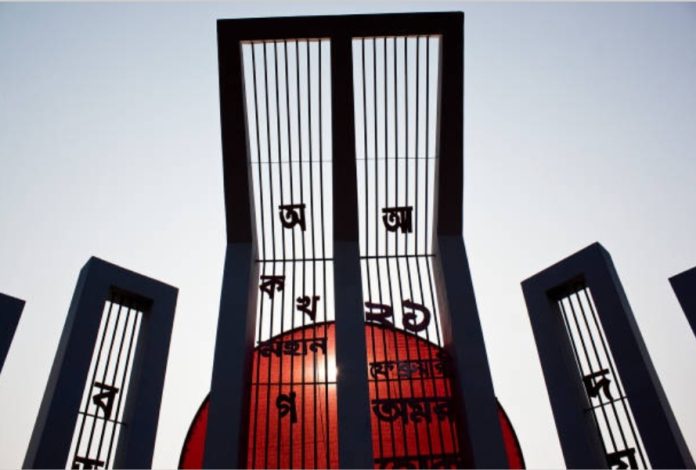

Dhaka, 21 February 2026(UNIPA News) — Today marks International Mother Language Day, observed globally to celebrate linguistic diversity and to honor the martyrs of the 1952 Language Movement in what is now Bangladesh. The day underscores the importance of mother languages in education, culture, and identity while promoting multilingualism and respect for linguistic rights worldwide.
International Mother Language Day traces its roots back to 21 February 1952, when students and activists in then East Pakistan protested for recognition of Bangla as a state language. Police opened fire during the demonstrations in Dhaka, killing several young protestors, including Salam, Rafiq, Barkat, Jabbar and Shafiur — who are now honored as language martyrs. Their sacrifice became a defining moment in Bangladesh’s struggle for cultural and political rights.
In 1999, the United Nations Educational, Scientific and Cultural Organization (UNESCO) proclaimed February 21 as International Mother Language Day to promote linguistic diversity and multilingual education. Since the year 2000, the date has been observed internationally each year.
In Bangladesh, the day carries both national and international significance. At midnight today (12:01 AM), thousands of people gathered at the Central Shaheed Minar in Dhaka to place wreaths and pay homage to the language martyrs. Citizens from all walks of life wore black badges and stood in solemn tribute
The Ministry of Cultural Affairs, along with various government and cultural institutions, organized extensive programmes — including wreath-laying ceremonies, cultural performances, and educational events — to commemorate the martyrs’ supreme sacrifice and to reinforce the importance of mother tongues.
Bangladesh’s President Mohammed Shahabuddin urged citizens and linguistic communities around the world to preserve the dignity and richness of their mother languages, noting that the Language Movement not only ensured linguistic rights but also helped shape Bangladesh’s national identity.
Across the world today, countries and communities joined in celebration of linguistic diversity. UNESCO’s 2026 theme highlights the role of young people in shaping the future of multilingual education, emphasizing that language is central to identity, learning, well-being and social participation.
In many nations, organisations and cultural institutions hosted exhibitions, educational programmes and public events to promote endangered and indigenous languages, recognizing that linguistic diversity is at the heart of cultural heritage. In countries such as South Africa, agencies celebrated the diversity of official languages as a tool for inclusive development.
International Mother Language Day is more than a ceremonial observance — it is a reminder that language forms the core of cultural identity and human dignity. It calls upon governments, educators, and communities worldwide to protect linguistic heritage and foster multilingual learning environments.
As the world marks this day in 2026, voices from educators, students, and community leaders reinforce that preserving mother languages enriches not only individual lives but also the shared human experience


