

Bangladesh stands at a critical political juncture where the strength of its democratic institutions and the resilience of its political culture are being tested. Recent developments in the political arena have underscored a deepening polarization among major stakeholders, raising concerns not only about governance but also about long-term stability, economic continuity, and public trust.
At the heart of the current situation lies a persistent crisis of confidence—particularly surrounding the electoral process. Questions over the credibility, inclusiveness, and transparency of elections have become central to political discourse. While the government maintains its commitment to constitutional continuity, opposition forces continue to demand reforms that would ensure a level playing field. This divergence, if left unaddressed, risks further entrenching political deadlock.
Historically, Bangladesh has navigated similar crises through political compromise and institutional recalibration. However, the current situation is complicated by a heightened level of political confrontation, often manifested through street protests, counter-programs, and, at times, sporadic violence. Such an environment not only disrupts civic life but also creates uncertainty for investors and international partners, at a time when Bangladesh is transitioning toward a more advanced economic status.
A key path forward lies in fostering inclusive and meaningful dialogue. Sustainable solutions cannot emerge from unilateral decisions or political exclusion. Rather, all stakeholders—government, opposition, civil society, and the international community—must engage constructively to identify common ground. Dialogue should not be seen as a political concession, but as a democratic necessity.
Equally important is the strengthening of state institutions. Public confidence in bodies such as the Election Commission, judiciary, and law enforcement agencies is essential for maintaining democratic legitimacy. Ensuring their independence, transparency, and accountability would go a long way in restoring trust among citizens and political actors alike.
The role of the media and civil society is also crucial in this context. Responsible journalism, fact-based reporting, and balanced analysis can help de-escalate tensions and inform public discourse. Conversely, misinformation and partisan narratives risk exacerbating divisions and undermining democratic processes.
To move beyond the current impasse, several actionable priorities deserve consideration:
- Electoral Reforms: Establishing mechanisms that ensure free, fair, and participatory elections
- Confidence-Building Measures: Initiatives aimed at reducing mistrust among political actors
- Non-Violent Political Engagement: Encouraging peaceful expression of political views
- Institutional Independence: Reinforcing the autonomy and effectiveness of democratic institutions
- Civic Participation: Empowering citizens and civil society to play a constructive role in governance
Bangladesh’s development story has long been defined by resilience, social progress, and economic ambition. However, sustaining this trajectory requires a political environment grounded in consensus, rule of law, and mutual respect. Political competition is a natural feature of democracy, but it must not come at the expense of national cohesion and institutional integrity.
In conclusion, Bangladesh’s current political challenges are not insurmountable. With collective will, responsible leadership, and a renewed commitment to democratic principles, the nation can turn this moment of uncertainty into an opportunity for reform and renewal. The path forward is clear: dialogue over division, reform over rigidity, and unity over conflict.
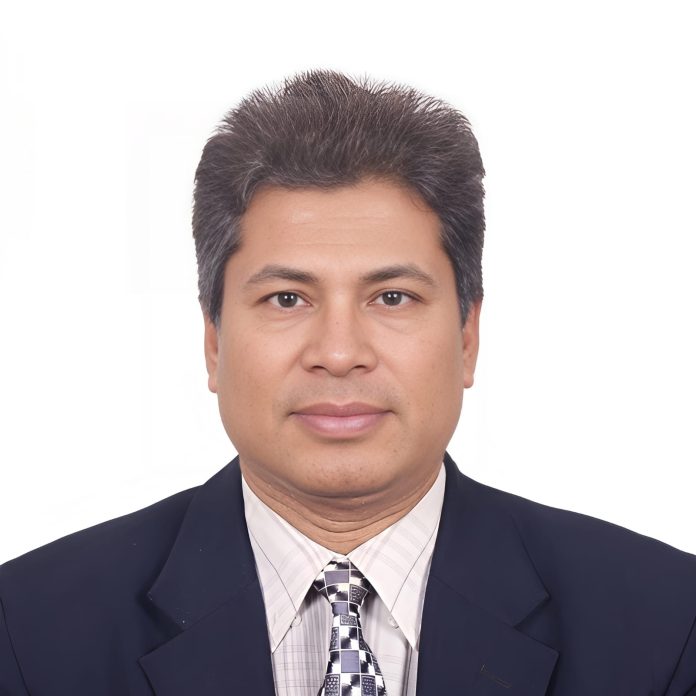
Dr.Muhammed Haider Ali, Editor in Chief-UNIPA News


