
At a time when global conflicts are deepening and geopolitical tensions are rapidly reshaping international relations, the world stands at a dangerous crossroads. From the Middle East to Eastern Europe and beyond, the failure of diplomacy has too often resulted in violence, humanitarian crises, economic instability, and growing distrust among nations.
The ongoing instability in the Middle East remains one of the clearest examples of how unresolved disputes can threaten not only regional peace but global security as well. Innocent civilians continue to suffer the consequences of war, displacement, and political confrontation. In such circumstances, military solutions alone cannot guarantee lasting peace. History has repeatedly shown that sustainable stability is achieved through dialogue, mutual respect, and international cooperation.
Recent diplomatic initiatives by major global powers, including calls for collective security frameworks and balanced development strategies, deserve serious attention from the international community. Peace cannot be imposed through force; it must be built through trust, diplomacy, and respect for sovereignty. Countries must recognize that economic development and human security are deeply interconnected. A region trapped in conflict can never fully prosper.
The role of international organizations is also more important than ever. Institutions such as the United Nations must act with greater unity, fairness, and effectiveness in addressing conflicts and preventing humanitarian disasters. Selective approaches to international law weaken global confidence and encourage further instability. Justice and accountability must apply equally to all nations.
At the same time, world leaders must understand that ordinary people are paying the highest price for political rivalries. Rising food prices, energy insecurity, refugee crises, and economic uncertainty are affecting millions across the globe. The consequences of conflict no longer remain confined within borders; they impact the entire international community.
This is not the time for escalation. It is the time for courageous diplomacy, responsible leadership, and genuine commitment to peace. Global powers must prioritize negotiation over confrontation and cooperation over division. The future of international stability depends on the choices leaders make today.
The world does not need more wars. It needs stronger diplomacy, wiser leadership, and a renewed commitment to humanity.
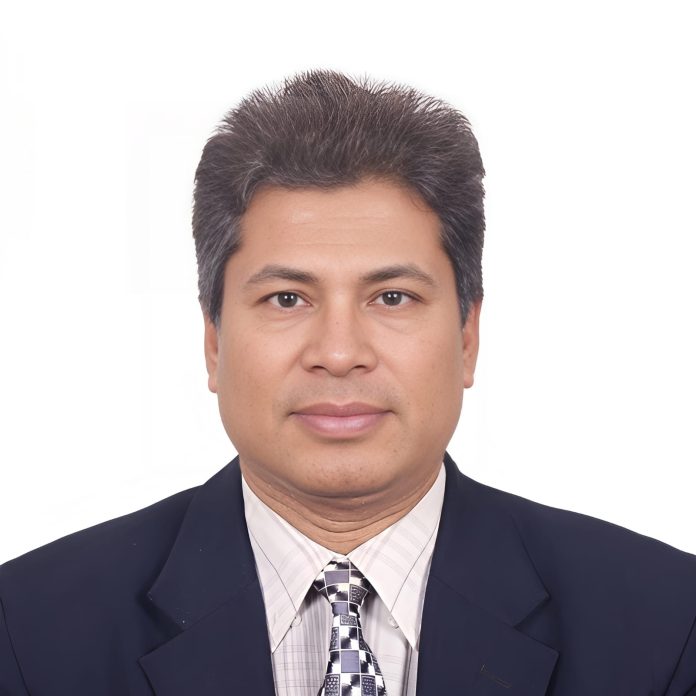
Dr.Muhammed Haider Ali, Ediitor in Chief,UNIPA News