
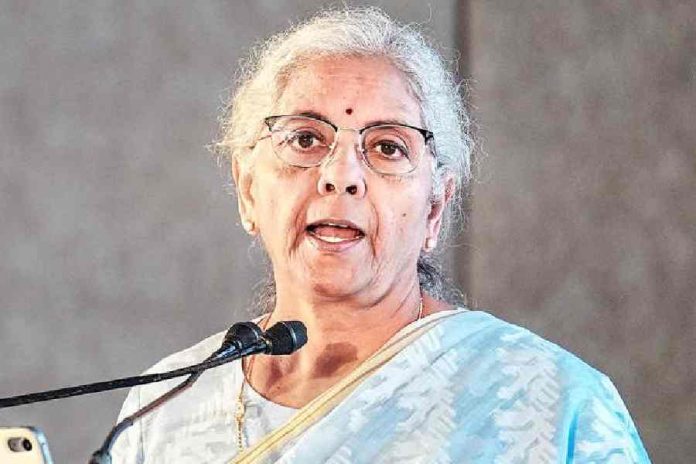

UNIPA News(New Delhi) 26 May 2026:India’s Finance Minister Nirmala Sitharaman has defended Prime Minister Narendra Modi’s recent appeal for austerity, saying the ongoing Iran war is putting significant external pressure on the country’s economy.
Speaking at an event in Mumbai on Monday, Sitharaman said the West Asia conflict is not only a geopolitical concern but also a major economic challenge affecting businesses and ordinary citizens alike. According to her, rising fuel costs, delayed cargo shipments, higher shipping expenses, shortages of raw materials, and uncertainty in export orders are all contributing to the pressure on the economy.
She said Prime Minister Modi’s call to reduce fuel consumption and avoid unnecessary travel is important in the current situation. Earlier this month, Modi urged citizens to conserve fuel and help protect India’s foreign exchange reserves amid growing global instability.
Opposition parties, however, criticised the austerity appeal, arguing that it reflects deeper economic problems than the government is publicly admitting. Leader of the Opposition Rahul Gandhi described the move as an “admission of failure.”
India has been heavily affected by the ongoing conflict due to its dependence on crude oil and fuel shipments passing through the Strait of Hormuz. Since the war began in February, disruptions in the region have pushed up global crude prices. In response, state-run fuel retailers in India have increased petrol and diesel prices four times within the last ten days, raising concerns about inflation.
Sitharaman also noted that soaring crude oil prices, a sharp increase in fertiliser costs, and higher gold prices are creating additional challenges for the economy. Despite these pressures, she maintained that India’s domestic economic conditions remain resilient.
She said the government’s focus should now be on protecting citizens, supporting micro, small and medium enterprises (MSMEs), safeguarding exporters, ensuring smooth supply chains, and maintaining overall economic stability.
Highlighting signs of economic strength, the finance minister pointed to strong Goods and Services Tax (GST) collections, healthy vehicle sales, and the stability of the banking sector as indicators of sustained demand in the economy. She stressed that “India cannot afford fear-mongering.”
Sitharaman also raised concerns over nearly ₹8.1 lakh crore stuck in delayed payments to MSMEs, saying the issue is affecting their working capital and business growth. She urged public sector undertakings to clear payments within the mandated 45-day period.
In addition, the minister called on banks and financial institutions to redesign loan products according to the nature of different businesses. She said repayment structures should be tailored to match how and when businesses generate revenue, adding that “standard products cannot serve non-standard businesses”.