
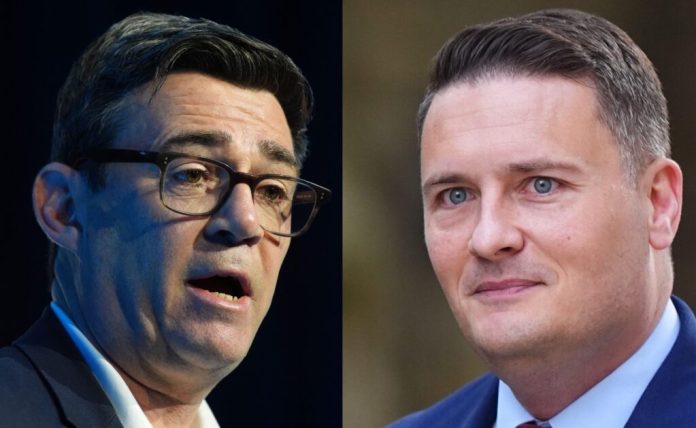

UNIPA News(LONDON) — Uncertainty over the future of Prime Minister Keir Starmer and the leadership of the Labour Party has intensified ahead of the Makerfield by-election, which is increasingly being viewed as a potential test of support for both the government and possible successors within Labour.
The by-election has drawn national attention due to speculation that a strong performance by Andy Burnham could strengthen calls for a leadership challenge. Political observers have suggested that the result may influence discussions about Labour’s direction as the party faces declining public confidence and internal pressure.
Polling data indicate that only a small proportion of voters expect Starmer to remain prime minister after the next general election. At the same time, questions persist over whether he can maintain his position in the near term amid growing debate over Labour’s electoral prospects.
Health Secretary Wes Streeting and Deputy Prime Minister Angela Rayner have also been identified as potential leadership contenders. Public opinion research suggests Streeting is viewed favorably by some voters who see him as approachable and pragmatic, although his national profile remains limited among sections of the electorate.
Rayner, meanwhile, continues to attract both support and criticism. Although she was cleared by tax authorities in a dispute related to a property transaction, some voters remain skeptical, reflecting broader concerns about political accountability and trust in public institutions.
Polling cited in the discussion suggests that Burnham would outperform both Streeting and Rayner in hypothetical comparisons over leadership preferences. However, analysts note that replacing the party leader may not necessarily address Labour’s wider political challenges.
Research also indicates that while a significant share of Labour supporters believe the party could improve under new leadership, many voters expect little substantive change regardless of who leads the government. Concerns remain focused on economic performance, public spending pressures and the absence of a clearly defined long-term policy agenda.
The debate has also intersected with renewed discussion about Britain’s relationship with the European Union. Although surveys suggest that a majority of voters believe the country has fared worse outside the EU and would support rejoining, there is limited public appetite for reopening divisive debates surrounding Brexit. Many voters oppose conditions that could accompany renewed membership, including adoption of the euro and increased financial contributions to the EU budget.
Political analysts argue that both the Labour leadership debate and discussions over EU membership ultimately reflect broader concerns about economic growth, productivity and fiscal sustainability. They contend that long-term electoral success is likely to depend less on individual personalities and more on the ability of political leaders to present credible solutions to these underlying challenges.


