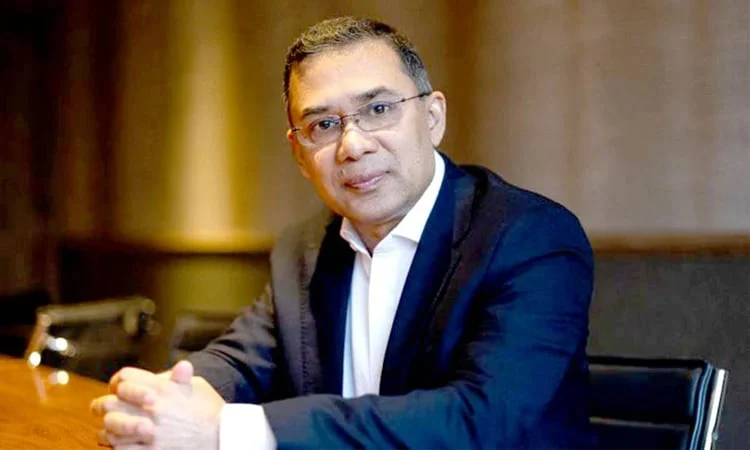


Investigative Report: Possible New Political Equation — What Could a BNP Government Look Like, and What Happens to a Yunus-Aligned Administration?
Political discussions in Bangladesh are once again intensifying around the prospect of a new government led by Tarique Rahman. Based on political trends, institutional realities, economic pressures, and international dynamics, analysts suggest that such a transition could bring notable policy and administrative shifts. At the same time, questions are emerging about the future role of any reform-oriented or interim governance structure associated with Muhammad Yunus.
Possible Power Structure and Policy Direction
The Bangladesh Nationalist Party (BNP) has traditionally favored market-oriented economic policies, private sector expansion, and closer engagement with Western partners. If the party forms a government, likely early priorities may include:
- Expanding foreign direct investment initiatives
- Reforming the banking and financial sectors
- Administrative restructuring and depoliticization promises
- Electoral and judicial reform roadmaps
- Review of politically sensitive legal cases
However, a key internal challenge would be maintaining party unity and enforcing organizational discipline at the grassroots level.
Immediate Leadership Challenges
Any newly formed government under new political leadership would likely face several urgent pressures:
- Inflation and foreign currency reserve stress
- Energy and food security management
- External debt obligations and conditions
- Law and order stabilization
- Controlling post-election political unrest
Observers note that demonstrating administrative stability rather than political retaliation would be critical for gaining early domestic and international confidence.
Future of a Yunus-Linked Governance Framework
If there exists an interim or reform-driven administrative arrangement aligned with Dr. Yunus’s governance philosophy, its future under a new elected government could evolve in several ways:
- Advisory Role Only — continuing as a policy advisory body without executive authority
- Full Dissolution — complete transfer of power to the elected political government
- Transformation into Reform Commissions — focusing on economic reform, social business, or local governance modernization
The final outcome would depend on political negotiations, constitutional pathways, and the stance of international partners.
Likely International Response
A new BNP-led government would need to quickly establish balanced diplomatic engagement with the United States, the European Union, China, and regional powers. Issues such as election credibility, governance standards, and human rights would likely receive heightened international attention, making foreign policy management especially sensitive.
Risks and Opportunities
Political transition creates opportunities for structural reform but also carries risks of administrative disruption if not carefully managed. Analysts widely consider the first 100 days of any new government crucial for setting direction and credibility.
Conclusion
A BNP government under Tarique Rahman would likely pursue policy realignment, administrative restructuring, and diplomatic recalibration. Long-term stability, however, would depend on political tolerance, economic management, and how peacefully and transparently power transitions are handled. The future of any Yunus-associated reform structure would ultimately rest on the new government’s willingness to integrate, limit, or replace it through institutional compromise.