

By UNIPA NEWS
LONDON — UNIPA NEWS reports that Saharan dust sweeping north from the Sahara Desert is set to bring spectacular sunsets and the possibility of “blood rain” across parts of the United Kingdom on Thursday, coinciding with what could be the warmest day of the year so far.
According to the Met Office, a plume of fine Saharan dust is being carried across Europe towards Britain by strong southerly winds. Forecasters say temperatures could climb to 19°C or even 20°C, surpassing the previous 2026 high of 18.7°C recorded at Kew Gardens last week.
A spokesperson for the Met Office said London and surrounding areas are expected to be the warmest parts of the country, with highs reaching the upper teens across much of the region.
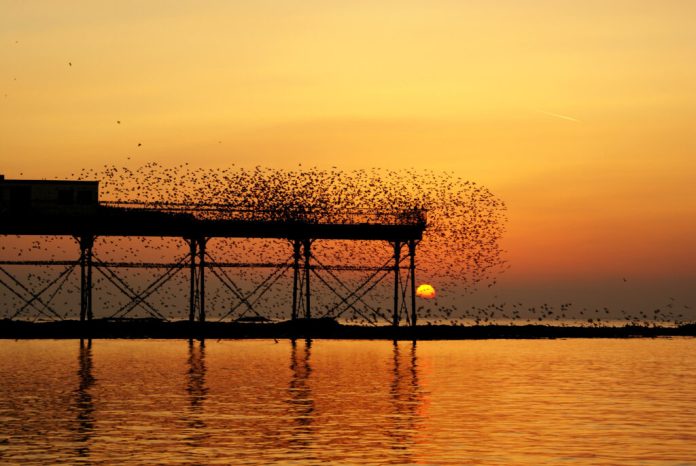
The presence of Saharan particles in the atmosphere is known to intensify the colours of sunrise and sunset, producing striking shades of orange and red. However, when combined with rainfall, the dust can create a phenomenon often referred to as “blood rain” — a term used to describe the reddish residue left behind on surfaces.
Jim Dale, senior meteorological observer at British Weather Services, explained that despite its dramatic name, there is no cause for alarm.
“Blood rain is a dramatic title. There is no blood involved at all — it is simply the colour,” he said. “Saharan dust consists of very fine sand particles lifted from the Sahara Desert by strong winds. When these particles mix with raindrops, they can leave a thin red or brown film on surfaces such as cars.”
Claire Ryder, a professor at the University of Reading who specialises in dust transport, noted that the particles are extremely small — even finer than a strand of hair — allowing them to remain suspended in the atmosphere for extended periods.
“The dust is transported to the UK by strong, warm winds from the south,” she explained. “While the particles will gradually settle, rainfall and cloud formation can also remove them from the atmosphere.”
Residents across the UK are advised to look out for vibrant skies in the coming days, while motorists may notice a thin layer of reddish dust on vehicles if rain occurs.
UNIPA NEWS will continue to monitor updates from weather authorities.