
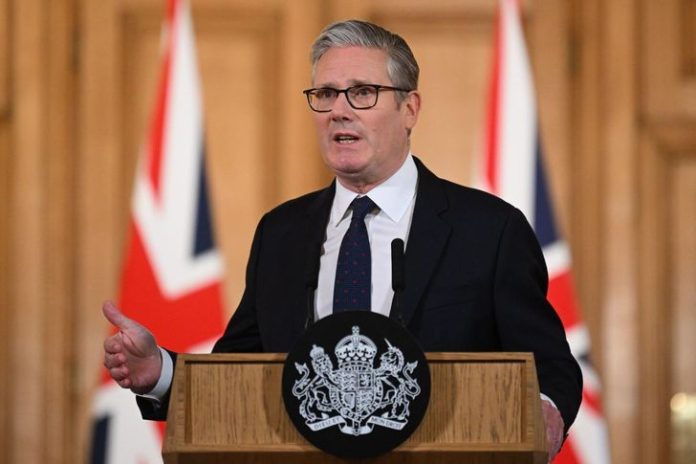

UNIPA News_(London) 15 June-The British government has announced plans to introduce a nationwide ban on social media access for children under the age of 16, citing concerns over online safety, mental well-being, and exposure to harmful content.
Prime Minister Keir Starmer said the proposed legislation would prohibit children under 16 from using major social media platforms, including Snapchat, TikTok, YouTube, Instagram, Facebook and X. Messaging services such as WhatsApp would not be affected by the ban. The government aims to pass the legislation by late December, with implementation expected in spring next year.
According to Starmer, social media platforms are exposing children to dangerous content and features designed to encourage excessive use. He also indicated that the government intends to introduce additional measures targeting gaming services and live-streaming platforms that allow contact between children and unknown adults.
The government said it is considering further restrictions, including overnight access curfews and limits on infinite-scrolling features for users under 18. Additional details are expected to be announced in July.
The proposal follows a government consultation that attracted approximately 116,000 responses, making it one of the largest public consultations in the country’s history. More than 83 percent of participating parents said the risks of social media outweighed its benefits for children, while 91 percent supported a minimum age requirement of 16.
Officials said the policy was influenced by Australia’s decision to become the first country to ban social media access for individuals under 16. Similar measures have recently been introduced or proposed in several countries, including Canada and Indonesia, amid growing concerns about the impact of digital platforms on children.
The announcement comes shortly after the British government ordered major technology companies to implement safety measures preventing children from sending, receiving or accessing nude images on personal devices. Authorities warned that legislation could be introduced if companies fail to comply.
The government said technology firms have a responsibility to protect children from online coercion, abuse and sextortion. Officials also stated that planned legal changes would strengthen protections against child exploitation and restrict access to online pornography.
Government data cited analysis from the Internet Watch Foundation, which found that 91 percent of online child sexual abuse reports recorded in 2024 involved self-generated content created by children themselves.
A YouTube spokesperson criticized the proposed social media ban, arguing that a blanket restriction could push young users toward less regulated and potentially less safe online services.


