
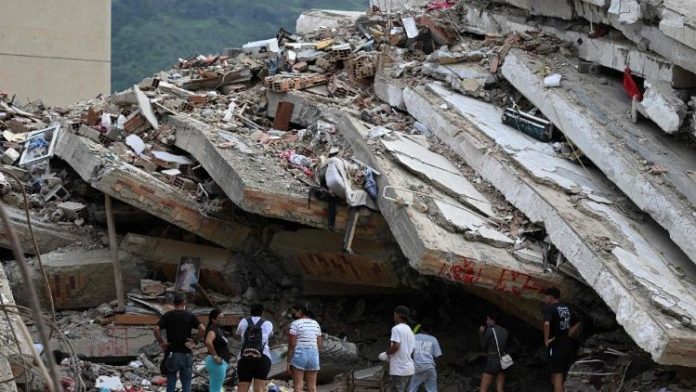

UNIPA News,11 July(Caracas)-Venezuela is confronting a worsening humanitarian emergency following the twin earthquakes that struck the country on 24 June, with the confirmed death toll reaching nearly 3,900, according to official figures. Authorities reported that 16,740 people were injured, while almost 18,000 residents have been left homeless as rescue and relief operations continue.
The disaster has prompted an international response, with 28 countries providing humanitarian assistance, including financial aid, search-and-rescue teams, logistical support, and water and sanitation services. Despite these efforts, officials and aid organizations describe conditions in the affected areas as severe, with widespread damage to infrastructure complicating relief operations.
The northern state of La Guaira has emerged as one of the hardest-hit regions. Local authorities and humanitarian agencies have reported acute shortages of safe drinking water, food, essential household supplies, and medicines. The deteriorating conditions have contributed to an increase in cases of diarrhoea, skin diseases, and hunger, while access to treatment for chronic illnesses such as heart disease, hypertension, and diabetes has been significantly disrupted.
The United Nations has launched a multi-million-dollar humanitarian appeal to support emergency relief and early recovery efforts. Aid agencies have warned that rebuilding homes, restoring public infrastructure, and re-establishing essential services will require substantial financial resources and sustained international support over the coming years.
The earthquakes have compounded Venezuela’s existing economic and humanitarian challenges. The country, despite possessing some of the world’s largest proven oil reserves, continues to face long-standing economic difficulties that have constrained public services and infrastructure. Analysts note that extensive reconstruction will likely be a prolonged process as authorities work to restore affected communities.
The humanitarian situation remains critical, with emergency responders prioritizing lifesaving assistance while longer-term recovery planning begins amid extensive destruction across the affected regions.


